
Pelletizer Blades and Knives: Common Types, Applications, and Replacement Signs

Pelletizer blades fall into four main working types — rotor blades, stationary bed knives, face cutter blades, and granulator-style flat blades — and each is matched to a specific pelletizing method: strand cutting, underwater pelletizing, or hot-face cutting. Knowing which type your machine uses, and recognizing the three or four telltale signs of dulling or chipping, is what separates plants that run smooth 24/7 lines from ones that eat unplanned downtime every few weeks.
Rotor Blades: The Workhorse of Strand and Underwater Pelletizers
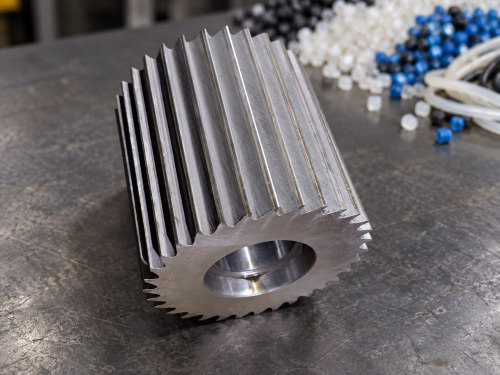
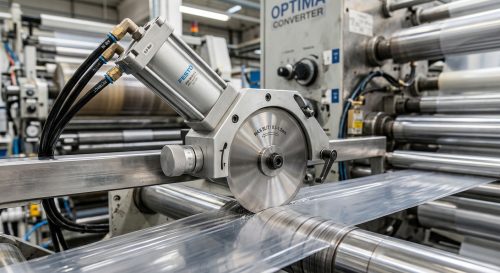
Rotor blades do most of the cutting in any pelletizing line. If your machine has a spinning cutter head slicing extruded strands into pellets, you’re looking at rotor blades — usually curved, sometimes helical, mounted at a fixed angle against a stationary counter-edge.
The curve isn’t decorative. A slight helix angle reduces the shock load on the motor and gives a cleaner shear rather than a crush, which matters a lot when you’re cutting soft or filled resins that tend to smear under a dull edge. Most rotor blades run at high-chromium tool steel (D2, SKD11) for standard PE/PP work, but plants running glass-filled or mineral-filled compounds should step up to carbide-tipped rotors — the abrasive fillers chew through standard tool steel in weeks, not months.
Real-world example
A compounding plant running 30% talc-filled PP found their standard D2 rotor blades were lasting barely 5 weeks before pellets started showing tails and fines. Switching to carbide-tipped rotor blades pushed that to over 4 months — the extra upfront cost paid for itself inside the first replacement cycle.
Stationary Bed Knives: The Underrated Half of the Cutting Pair
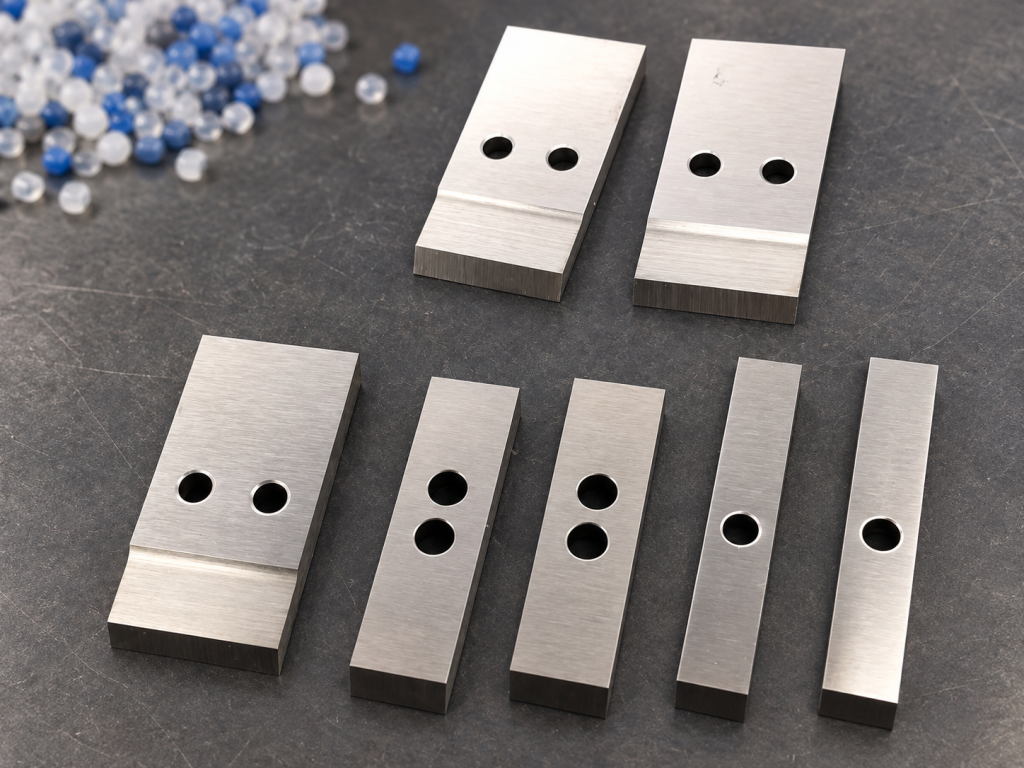
Nobody talks about bed knives, but a dull one will ruin a brand-new rotor blade in weeks. The stationary knife (also called the bed knife or anvil) provides the shear counter-surface that the rotor blade cuts against — and if that edge rounds off even slightly, your rotor blade starts impacting instead of shearing.
Bed knives typically last longer than rotor blades — 12 to 18 months in normal service — simply because they don’t absorb the rotational impact. But they still need periodic resharpening or replacement, and mismatched wear between the rotor and bed knife is one of the most common causes of inconsistent pellet size. If you’re seeing some pellets cut clean and others tailed or stringy in the same batch, check the bed knife gap before you blame the rotor.
Face Cutter Blades for Underwater Pelletizing
Underwater pelletizing systems use a different geometry entirely — face cutter blades mounted on a rotating hub that shear pellets directly at the die face, submerged in circulating water. These blades see brutal cyclic loading because they’re cutting molten polymer at the moment it exits the die, often at line speeds that produce thousands of cuts per minute.
Because the cutting happens right at the die face, face cutter blades need extremely tight tolerance control — even 0.05mm of edge wear can throw off pellet uniformity across the whole batch. Most underwater pelletizing operations replace face cutters on a fixed schedule rather than waiting for visible wear, because by the time wear is visible in this application, you’ve likely already been shipping off-spec pellets for days.
This is also where blade material really earns its keep. Standard tool steel face cutters might last 6-8 weeks on PET or nylon; carbide versions routinely double or triple that, which is why most resin producers running high-volume PET lines have already made the switch.
Flat and Straight Blades for Granulators and Low-Speed Pelletizers
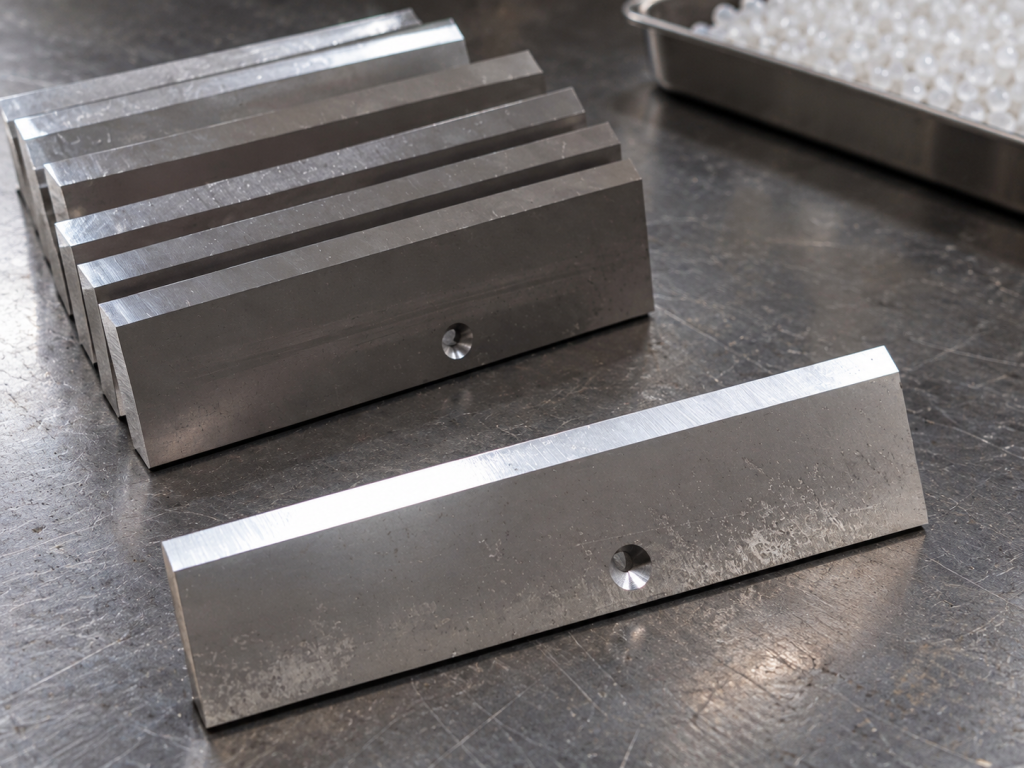
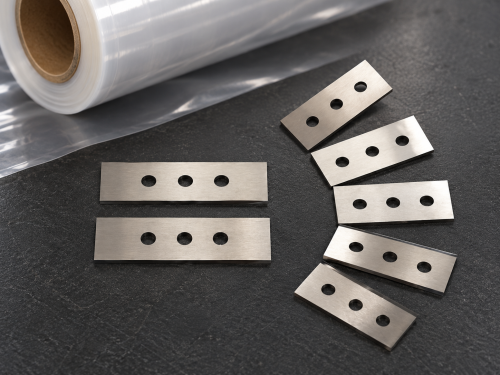
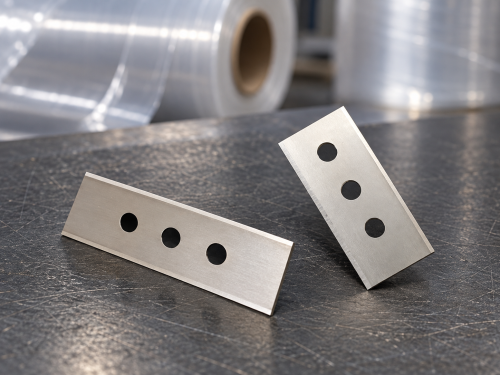
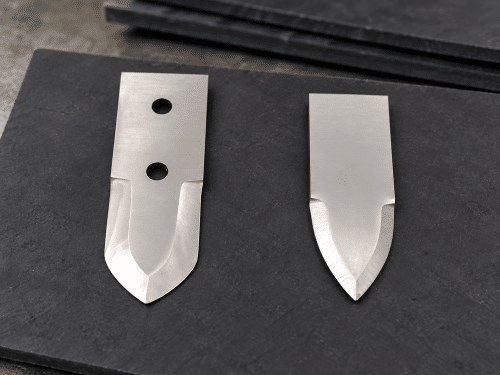
Not every pelletizing line runs at high speed. Granulator-style machines and lower-throughput pelletizers often use simpler straight or flat blades bolted onto the rotor — no curve, no helix, just a hardened edge doing scissor-style shearing against a fixed bed knife.
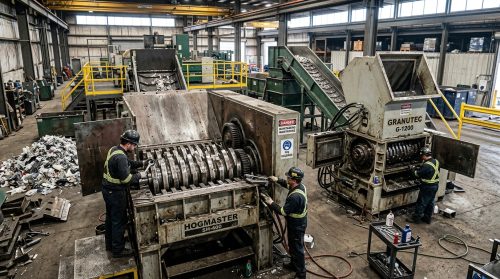
These are cheaper to manufacture and easier to resharpen in-house, which makes them popular with smaller compounding shops and recyclers running mixed or lower-volume batches. The tradeoff is throughput — flat blades generally can’t match the clean, high-speed cut of a curved rotor blade, so they’re not the right pick if you’re scaling toward continuous high-volume production. For plants dealing with post-consumer scrap or mixed regrind, this blade style pairs naturally with broader plastic cutting and shredding operations upstream of the pelletizer.
Five Signs Your Pelletizer Blades Need Replacing
Waiting for a blade to visibly break is the most expensive way to manage pelletizer maintenance. Here’s what to actually watch for:
- Tailed or stringy pellets — the classic sign of a dulling shear edge that’s tearing instead of cutting cleanly.
- Inconsistent pellet length — usually points to uneven wear between rotor blades on the same head, not a single bad blade.
- Rising motor amperage — a dull blade takes more force to push through the strand or melt, and your drive motor will show it on the load reading before you see it in the pellets.
- Visible chipping or nicks along the edge — often caused by contamination (metal fragments, unmelted resin chunks) rather than normal wear, and a sign to check upstream filtration too.
- Increased fines and dust in the pellet stream — a rounded or worn edge crushes rather than shears, generating more fine particulate that shows up in bag checks or downstream screening.
If you’re seeing two or more of these at once, don’t wait for a scheduled changeover — pull the blades and inspect. For a broader framework on tracking wear patterns and setting sharpening intervals across your plant, this plant operator’s guide to blade service life covers the underlying maintenance logic.
Choosing the Right Blade Material for Your Resin
Blade material matters more than blade geometry when it comes to wear life — and this is where a lot of buyers get it wrong by defaulting to whatever the machine OEM originally shipped, regardless of what resin they’re actually running now.
Standard tool steels (D2, SKD11, high-chromium alloys) work fine for unfilled PE, PP, and PS. Once you’re running glass-filled, mineral-filled, or heavily pigmented compounds, carbide-tipped or full-carbide blades become the economical choice, even though the upfront price is 2-4x higher. The math is simple: if a carbide blade lasts three times longer than tool steel and costs 2.5x more, you’re still ahead — plus you avoid the labor and downtime cost of more frequent changeovers. For a deeper breakdown of how steel, carbide, and ceramic compare across hardness, toughness, and cost, see our guide on choosing the right industrial blade material.
Custom vs. Off-the-Shelf Pelletizer Blades
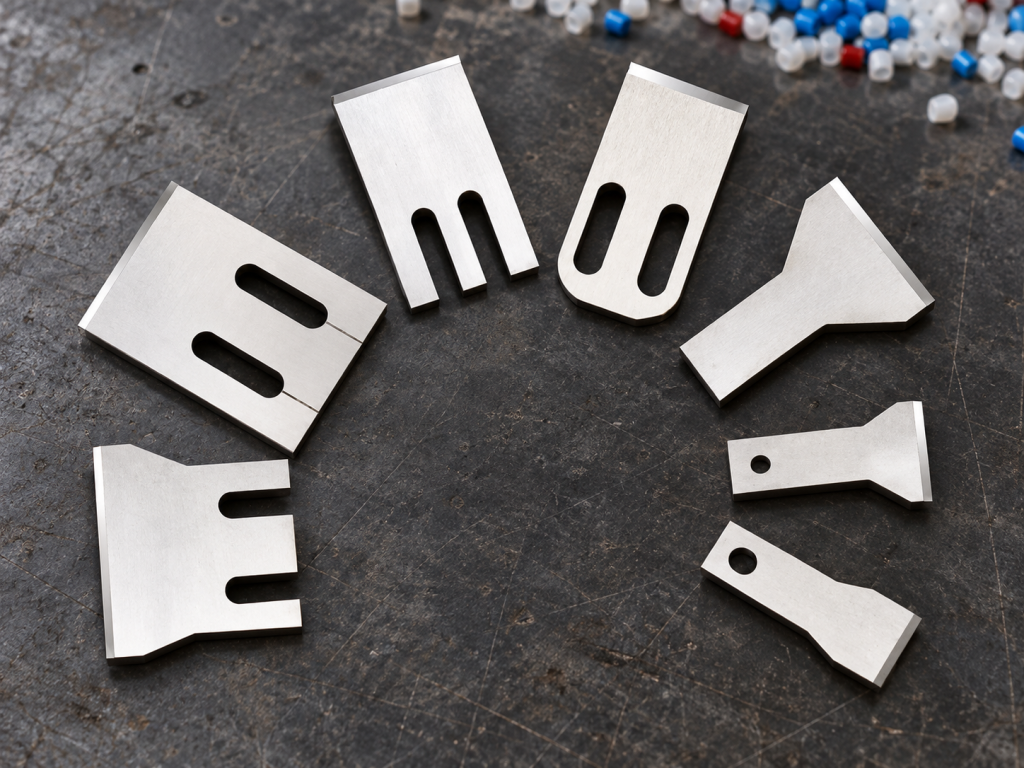
Off-the-shelf blades work fine if your machine is a common brand running standard resin. But a surprising number of pelletizing problems trace back to a blade that’s technically the right size but the wrong geometry — slightly off helix angle, wrong bevel, or hardness that doesn’t match the counter-knife.
Custom blade manufacturing solves this by matching the blade to your actual machine specs, substrate, and line speed rather than a generic catalog fit. A recycling plant running an older, discontinued pelletizer model, for instance, often has no choice but to go custom once the OEM stops stocking parts — and a good blade manufacturer can reverse-engineer the geometry from a worn sample or drawing. This is also where trial orders help: running a small custom batch before committing to volume production lets you confirm fit and performance without betting the whole maintenance budget on an unproven design.