

Granulator Blades vs. Shredder Blades: Key Differences and How to Choose

Granulator blades cut clean, uniform flakes from already-reduced material using a scissor-like shear between rotor and bed knife — think of it as the finishing step. Shredder blades, by contrast, tear through bulky, irregular, or high-volume input first, using a hook-and-tear or crushing action built for abuse, not precision. If your line feeds whole bales, tires, or mixed plastics into the first stage, you need shredder blades; if you're refining pre-sized scrap into consistent flake for reprocessing, granulator blades are the right tool.
The Core Mechanical Difference
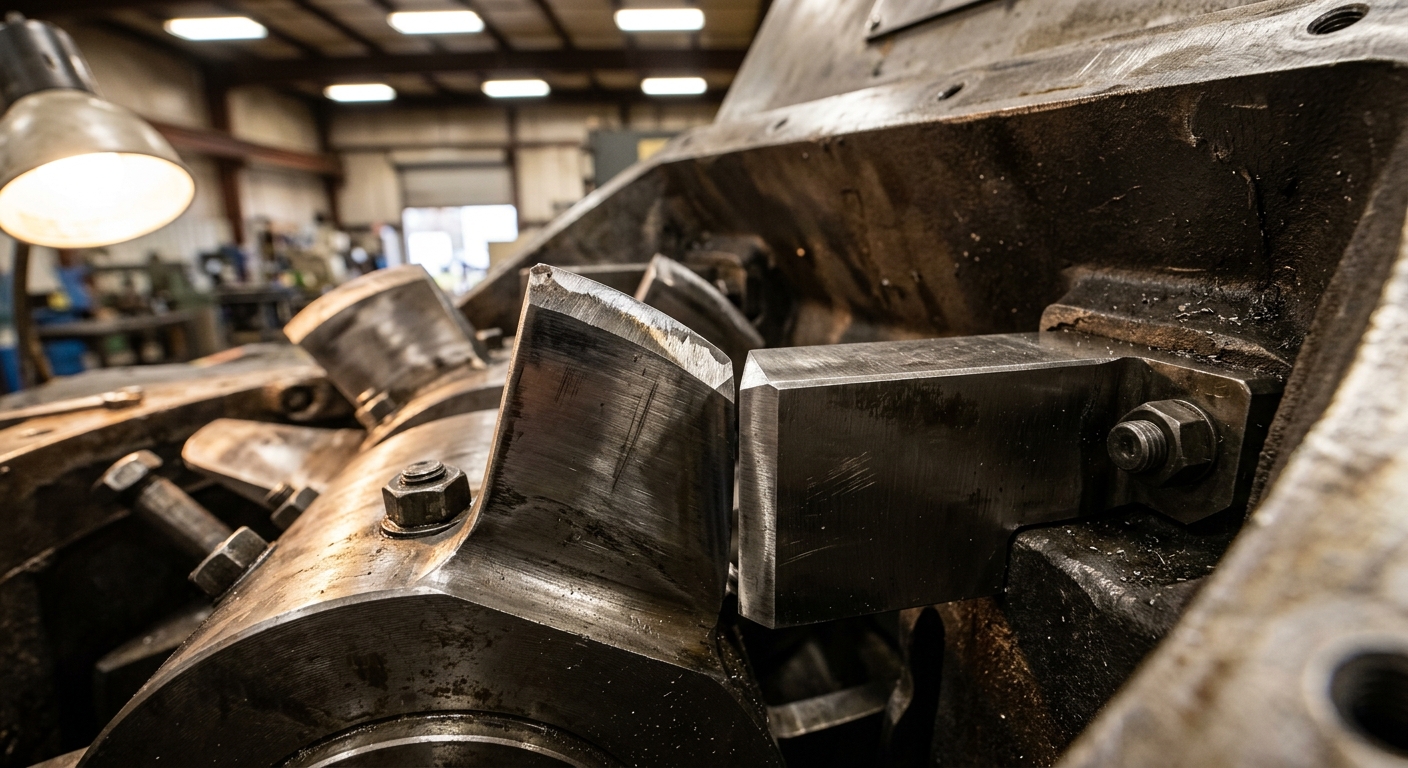
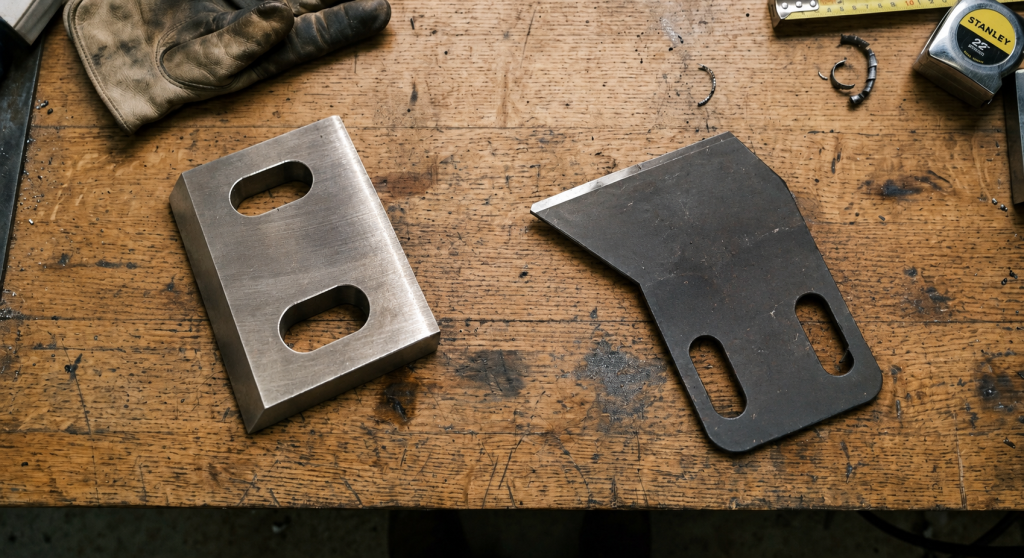
Here's the mistake we see constantly: buyers assume any hardened blade will work in either machine. It won't, and the reason is purely mechanical. A granulator uses a rotor blade spinning at speed against a stationary bed knife — it's a true scissor shear, tight tolerance, designed to slice repeatedly at a fixed gap (often 0.1-0.3mm). A shredder blade, on the other hand, operates with wider tolerances and relies on hook geometry to grab, pull, and tear material apart, sometimes assisted by a counter-rotating shaft.
That difference in mechanics dictates everything downstream — geometry, hardness, even how the blade is mounted. Confuse the two and you either get a granulator jamming on oversized chunks it was never built to handle, or a shredder blade that's too brittle to survive repeated impact loading.
Input Material: What Each Blade Is Actually Built to Handle
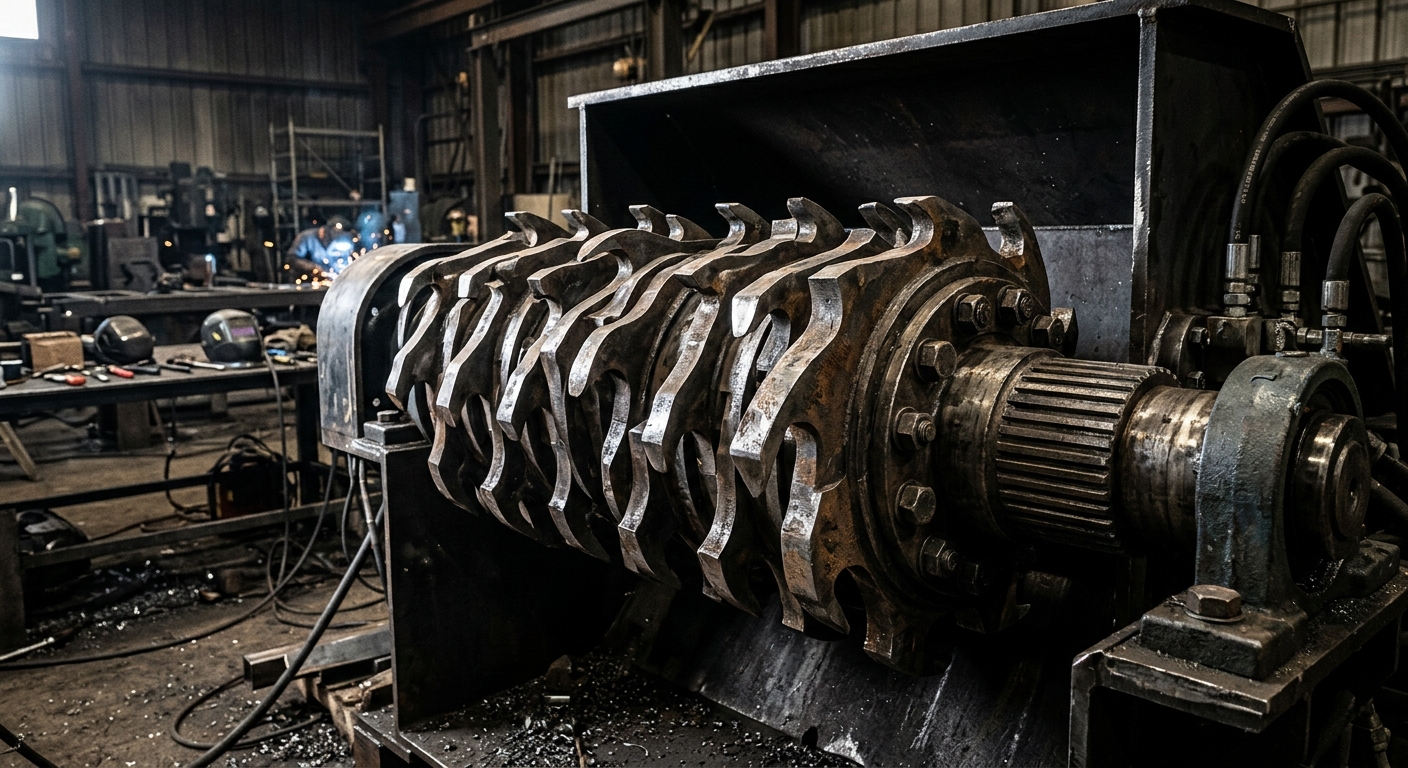
Shredder blades exist to survive chaos. They're the first line of defense against whole plastic drums, e-waste, tire rubber, cardboard bales, or mixed municipal waste — material that hasn't been sorted or sized yet. The blade geometry uses hooks and staggered teeth to grab irregular shapes and rip them into manageable chunks, usually landing somewhere between 20mm and 150mm.
Granulator blades never see that kind of chaos. They work on material that's already been reduced — think purgings, extruder scrap, film offcuts, or shredder output — and their job is to slice it into flake sizes tight enough for melt reprocessing, often 4-10mm. For a deeper look at how shredder blade geometry changes between single- and double-shaft setups, see our comparison on single-shaft vs. double-shaft shredder blades.
Material and Heat Treatment: Why One Size Never Fits All
Granulator blades typically use D2, Cr12MoV, or SKD11 tool steel, hardened to 58-62 HRC and tempered for edge retention rather than shock resistance. That's because the failure mode in a granulator is gradual edge wear from friction and heat buildup — not sudden impact. Push the hardness too high without balancing toughness, and you get micro-chipping along the cutting edge within weeks.
Why Shredder Blades Need a Different Temper
Shredder blades face the opposite problem. They're hit with unpredictable impact loads — a stray metal fastener in a plastic bale, a dense rubber chunk — so they're tempered slightly softer, often 48-56 HRC, trading some wear resistance for crack resistance. A blade that's too hard here will fracture instead of dulling gracefully. If you're unsure which steel grade fits your application, our guide on choosing the right industrial blade material breaks down the tradeoffs between steel, carbide, and ceramic in more depth.
| Criteria | Granulator Blades | Shredder Blades |
|---|---|---|
| Primary function | Uniform flake/pellet production | Bulk reduction of large/mixed material |
| Cutting action | Rotor + bed knife scissor shear | Hook-and-tear or crushing shear |
| Typical input | Pre-shredded scrap, film, purgings | Whole parts, bales, drums, tires |
| Hardness range | 58-62 HRC | 48-56 HRC |
| Blade thickness | 6-20mm | 15-40mm+ |
| Failure mode | Edge rounding, gradual wear | Chipping, cracking |
A Real-World Scenario: Where Buyers Get It Wrong
A plastics recycler we worked with was running rigid HDPE drums straight into what they called their 'granulator' — but the machine was jamming every few hours and blades were chipping within days. The problem wasn't the machine or the operator. It was that whole drums need a shredder stage first. Once they added a pre-shredding step with proper hook-tooth shredder blades, then fed the reduced flake into the granulator, both machines ran clean, and blade life on the granulator side jumped from roughly 3 weeks to over 2 months.
That's the pattern we see repeatedly: skipping the shredding stage doesn't just wear out granulator blades faster, it risks bending the rotor shaft entirely. Two-stage processing isn't optional for bulky input — it's the only way to protect your precision equipment downstream.
Blade Geometry: Hook Angle vs. Shear Angle
Granulator blade geometry is all about the shear angle between rotor and bed knife — usually a helical or straight edge set at a precise rake to create a slicing action rather than a chopping one. Get that rake angle wrong and you'll hear it immediately: excess noise, vibration, and flake that's ragged instead of clean.
Shredder blades are defined instead by hook angle and tooth spacing. A steeper hook grabs more aggressively but stresses the blade tip more under load; a shallower hook is gentler on the blade but less effective on tough materials like tire cord or nonwoven textiles. For crusher-style applications specifically, our page on crusher blade design covers how tooth geometry is tuned to specific material toughness.
Maintenance and Wear: Different Schedules, Different Signs
Don't apply the same maintenance calendar to both blade types — they wear differently and need different inspection habits. Granulator blades should be checked for edge rounding and heat discoloration; a bluish tint along the cutting edge usually means it's overheating from a too-tight bed knife gap or dull condition, and it's time to regrind before flake quality drops.
Shredder blades need visual inspection for chipped teeth and hairline cracks near the mounting bolt holes, since that's where stress concentrates under repeated impact. Rotating blade positions on multi-blade rotors evens out wear and extends service life significantly. For a full breakdown of sharpening intervals and storage practices across blade types, see our guide on extending industrial blade service life.
How to Decide Which One You Actually Need
Ask yourself three questions before ordering blades. First: what does your raw input actually look like — whole objects or pre-reduced scrap? If it's whole, you need shredder blades first. Second: what output size does your reprocessing step require? Melt extrusion typically wants flake under 10mm, which only granulator blades deliver reliably. Third: how much impact variability exists in your feedstock — is there metal contamination risk, or is it clean, sorted plastic?
Most industrial recycling lines actually need both stages in sequence, not a choice between them. A single-shaft shredder followed by a granulator is the standard setup for turning bulky scrap into reprocessing-ready flake. If you're building or retrofitting a line and aren't sure which stage needs attention first, it's worth getting plastic recycling blade specs reviewed by an engineer before you order in volume — actually, that link should point to our recycling blades category.


