

How to Extend Industrial Blade Service Life: Sharpening, Wear, and Storage

The single most effective way to extend industrial blade service life is to intervene before visible damage occurs — catching wear early through scheduled inspection and resharpening before micro-chipping or edge rollover forces a full blade replacement. Most plant operators lose 30–50% of a blade’s usable life simply by running it too long between services. Combine proactive sharpening intervals with correct storage and wear-pattern diagnostics, and you can double the number of productive cycles from each blade.
| Blade Material | Typical Resharpening Interval | Resharpenable | Best For |
|---|---|---|---|
| High-Carbon Steel | Every 1–3 shifts (heavy use) | Yes — multiple cycles | General cutting, packaging, food processing |
| Tungsten Carbide | Every 2–6 weeks (application-dependent) | Yes — specialized grinding required | Abrasive materials, plastics, recycling |
| Ceramic | Months to years (non-abrasive media) | Limited — often replaced | Film slitting, light converting, electronics |
Reading Wear Patterns Before They Become Failures
Every blade communicates its condition through predictable wear signatures. Learning to read these patterns is the foundation of any blade longevity program.
Common Wear Patterns and What They Signal
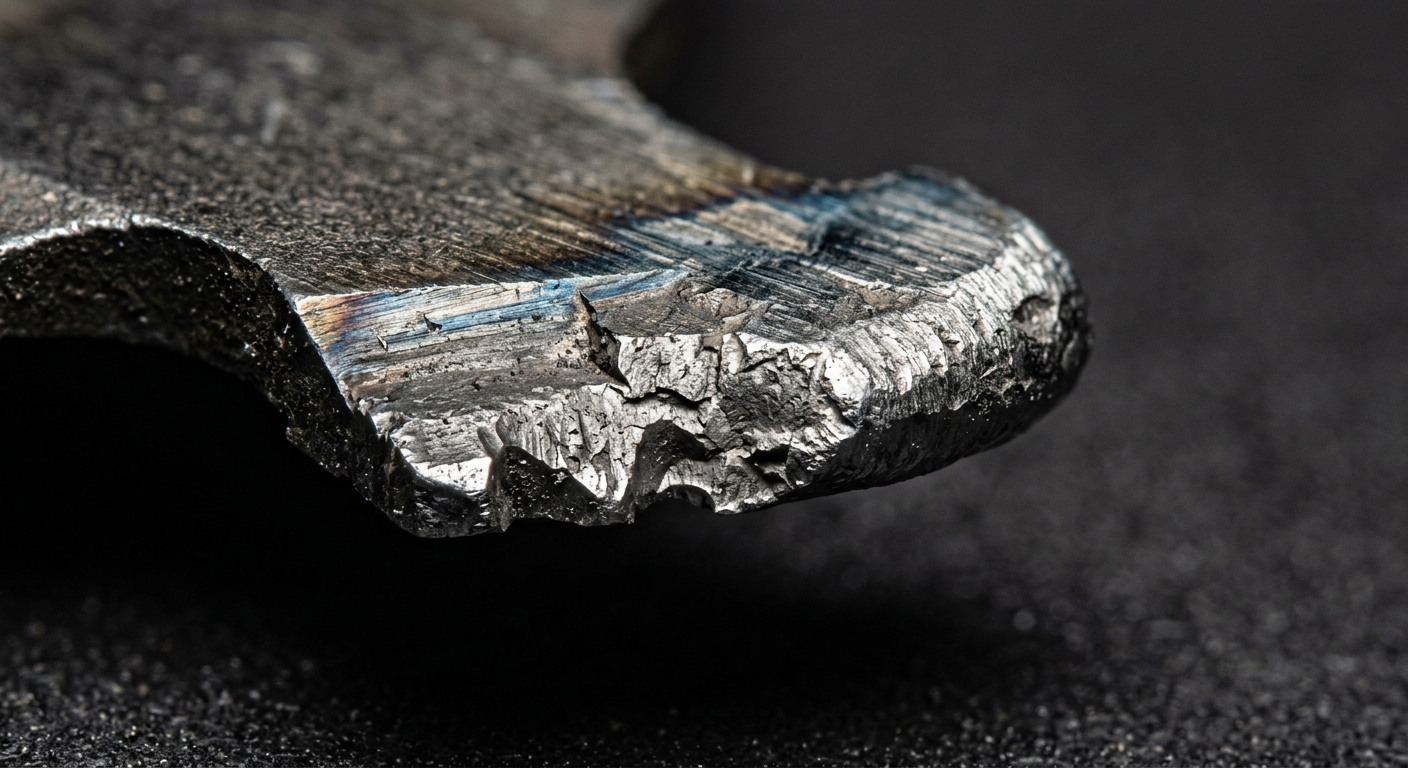
- Edge rollover: The cutting edge folds rather than chips — typically caused by running a blade beyond its hardness limit or applying excessive lateral force. Common on packing blades in high-speed film sealing applications.
- Micro-chipping: Small notches along the edge indicate the blade is encountering material harder than its rated capacity, or that the clearance angle is too steep.
- Uniform dulling: Gradual, even edge rounding is normal fatigue — this is the ideal wear state to catch at resharpening, before chipping begins.
- Localized wear zones: Uneven wear across blade width often points to misalignment in the machine, not the blade itself.
Inspect blades under magnification at every scheduled service. A 10x loupe is sufficient for most field checks. Document wear location and pattern — this data will reveal whether the root cause is the blade specification, the machine setup, or the material being cut.
Setting the Right Sharpening Intervals for Your Application
There is no universal resharpening schedule — the correct interval depends on blade material, cutting speed, material hardness, and production volume. The comparison table above provides a starting framework by material type.
How to Establish Your Baseline Interval
Start by tracking edge condition at fixed time checkpoints — every 4 hours, every shift, or every production run — and log the wear state using a simple 1–3 scale (sharp, dulling, critical). After 2–4 weeks, patterns emerge that let you predict the optimal intervention point before quality defects appear.
For example, a flexible packaging plant running film slitting blades on BOPP at 400 m/min might find that edge quality degrades noticeably after 18 hours of continuous run time. Scheduling resharpening at the 16-hour mark — before degradation — eliminates the scrap spikes that were previously costing them 2–3% of daily output.
The Cost of Waiting Too Long
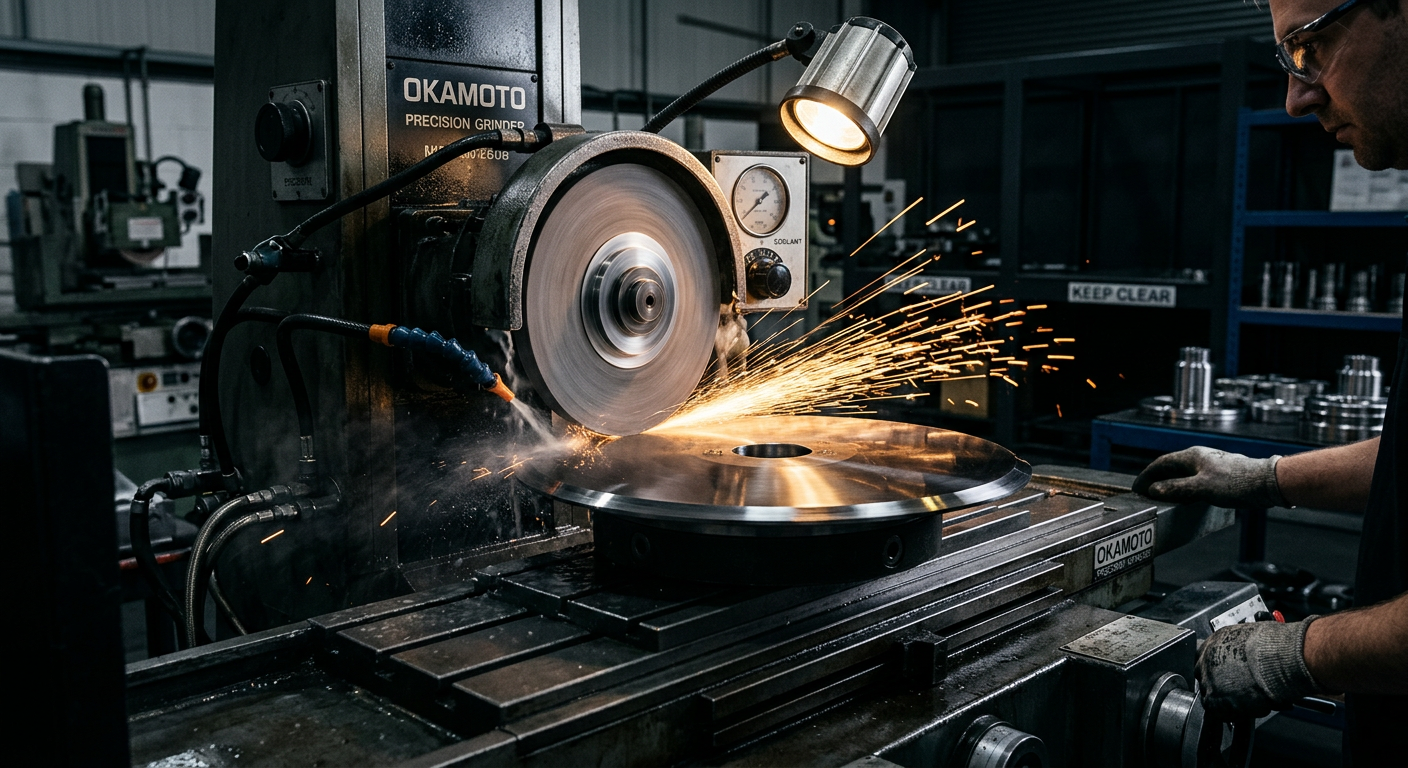
A dull blade doesn’t just cut poorly — it increases cutting force, which accelerates wear on bearings, shafts, and drive components. Resharpening a blade at the right interval typically removes only 0.05–0.15 mm of material per cycle. Waiting until the blade fails can require removing 0.3–0.5 mm or more, dramatically shortening total blade lifespan.
Material-Specific Maintenance Considerations
Blade material determines not just performance but the entire maintenance approach. High-carbon steel blades are forgiving and easy to regrind in-house with standard equipment. Tungsten carbide blades deliver significantly longer intervals but require diamond grinding wheels and tighter tolerances during resharpening — attempting to regrind carbide with conventional abrasives will crack the substrate.
If your operation runs shredder blades or crusher blades in recycling or waste processing, expect accelerated wear from contaminants like metal fragments, glass, and stone. These applications benefit from carbide-tipped or through-hardened alloy steel blades, and resharpening intervals should be tied to tonnage processed rather than clock time — a common benchmark is every 80–120 tonnes for mixed-stream plastic shredding.
For food processing environments, blade maintenance must also satisfy hygiene requirements. Food-grade blades should be inspected for pitting or surface corrosion at every cleaning cycle, as surface defects harbor bacteria and compromise food safety compliance. Stainless or coated blade surfaces require non-abrasive cleaning agents to preserve the protective layer.
Choosing the right material from the start is the upstream decision that makes maintenance manageable.
Proper Blade Storage to Prevent Premature Degradation
A blade that is stored incorrectly can arrive at the machine already compromised. Edge damage from improper storage is one of the most preventable sources of shortened blade life, yet it is routinely overlooked in maintenance programs.
Storage Best Practices
- Individual blade wrapping: Wrap each blade in oil-impregnated paper or VCI (vapor corrosion inhibitor) film before storage. Never stack unwrapped blades — contact between edges causes micro-chipping.
- Horizontal or vertical racking: Store blades flat on foam-lined racks or vertically in slotted holders. Avoid leaning blades against walls or each other unsupported.
- Controlled environment: Humidity above 60% accelerates surface oxidation on carbon steel blades. Store in a dry, temperature-stable area — ideally below 50% relative humidity.
- Labeling and rotation: Tag each blade with its last service date and resharpening count. Use a FIFO (first in, first out) rotation system so older blades are deployed before newer stock.
- Handling protocol: Always use blade handling gloves and dedicated blade carriers when moving blades to and from machines. Dropping or knocking a precision blade against a hard surface can introduce invisible edge damage.
For high-value blades such as rotary slitter knives used in paper or film converting, consider dedicated blade carts with individual compartments — the investment is negligible compared to the cost of a chipped carbide blade.
Building a Blade Maintenance Program That Sticks
Isolated good practices don’t deliver consistent results — a documented blade maintenance program does. The goal is to make inspection, resharpening, and storage decisions systematic rather than reactive.
Core Elements of an Effective Program
- Blade log sheets: Record blade ID, installation date, material cut, production volume, wear observations, and resharpening count for every blade in service.
- Defined go/no-go criteria: Establish clear visual or dimensional thresholds that trigger resharpening or replacement — remove subjectivity from the decision.
- Supplier coordination: Work with your blade manufacturer to align blade specifications with your actual operating conditions. A blade that is correctly specified from the start requires fewer emergency interventions.
A packaging line operator running packaging machine knives on a high-speed horizontal flow wrapper, for instance, reduced unplanned downtime by 40% over six months simply by implementing a shift-end visual inspection checklist and pre-staging sharpened replacement blades. The blades themselves didn’t change — the system around them did.
Yishi supports plant operators with consistent blade dimensions, material traceability, and custom specifications matched to your equipment. If you’re evaluating your current blade maintenance approach or sourcing a more reliable supply partner, contact the Yishi team to discuss your application requirements.


