

How a Packaging Line Cut Downtime 40% by Switching to Precision-Ground Machine Knives

A flexible packaging plant in Southeast Asia cut unplanned downtime by 40% in a single quarter — not by buying a new machine, but by switching from generic stock blades to precision-ground machine knives engineered for their exact film, speed, and tooling. The change tripled blade service life, slashed changeover time from 40 minutes to under 15, and dropped edge-related rejects by nearly 80%. Below is what actually happened on that line, and the engineering details that made the difference.
The Starting Point: A Line Bleeding 90 Minutes a Shift
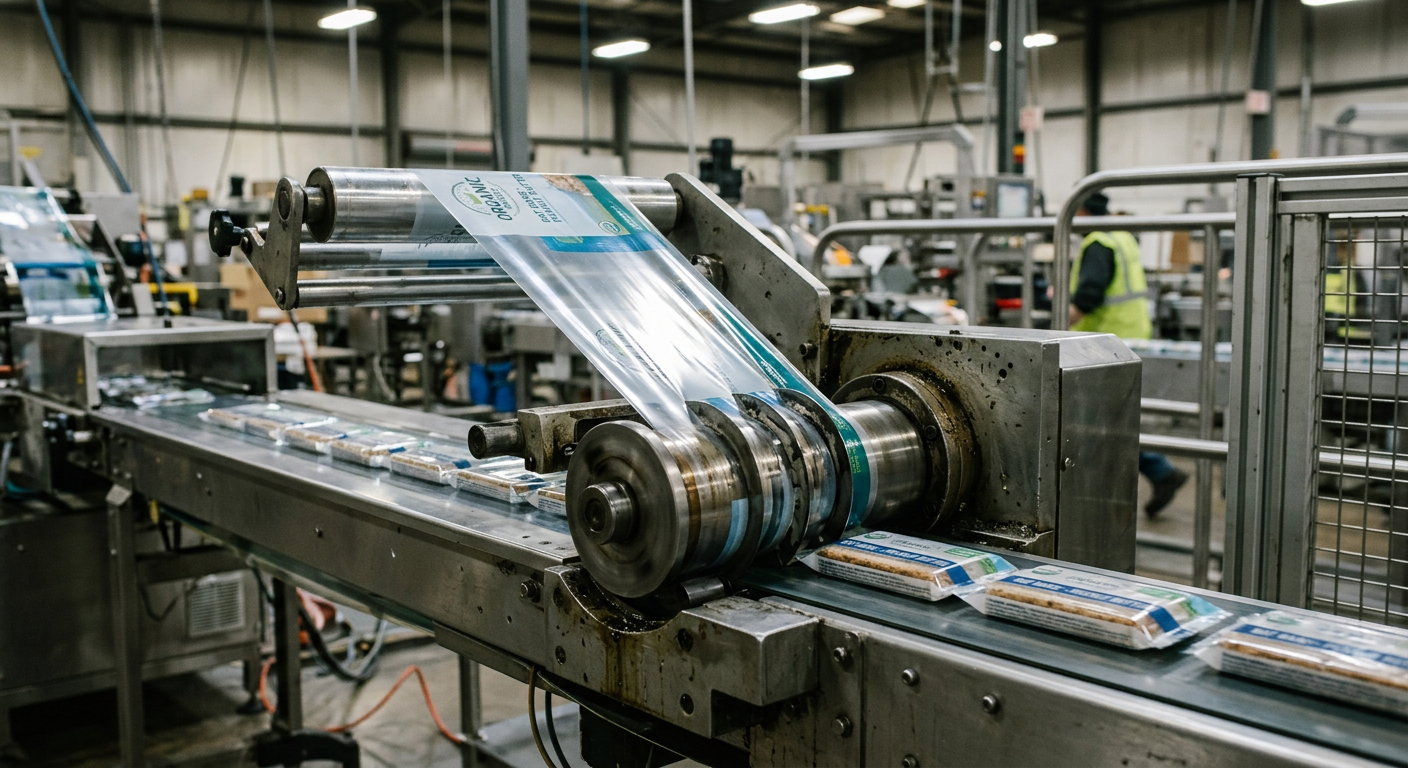
Before the switch, the plant ran a horizontal flow-wrapper packaging snack pouches at 220 cycles per minute. The cross-cut blade was a generic alloy steel knife sourced from a local supplier — cheap, available, and replaced roughly every 18 days.
The problem was not the price tag. It was everything around it. Operators logged an average of 90 minutes of stoppage per 8-hour shift: micro-jams from frayed film edges, two scheduled blade swaps per week, and a steady trickle of rejected pouches with ragged seals. Maintenance treated it as normal. It was not.
When the plant manager finally tallied the cost — labor, lost throughput, scrap film, and rework — the “cheap” blade was the single most expensive consumable on the line.
What Actually Changed: Geometry, Steel, and Grind
The replacement was not just a better blade. It was a re-engineered blade. Three things changed at once:
- Substrate-matched geometry. The bevel angle dropped from 22° to 18° to slice the multilayer BOPP/PE laminate cleanly instead of crushing it.
- Upgraded steel. The team moved from a basic high-carbon alloy to a vacuum-hardened SKD-11 equivalent, with hardness held to 60–62 HRC across the whole edge.
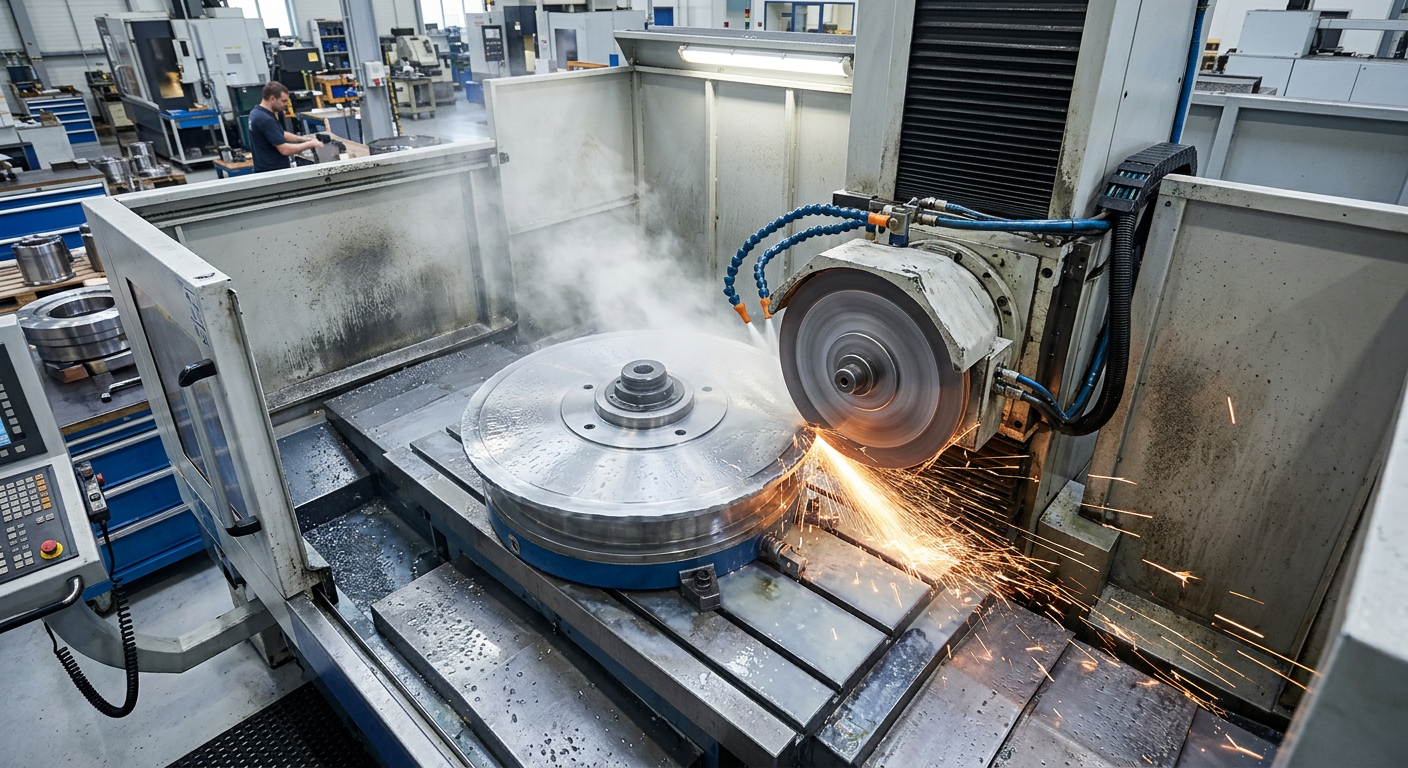
- Precision grinding. Edge tolerance tightened from ±0.02 mm to ±0.005 mm, with a mirror-polished rake face to reduce film adhesion.
None of these alone would have produced a 40% downtime cut. Together, they eliminated the three root causes of the original stoppages: edge rollover, micro-chipping, and film build-up. If you want a deeper breakdown of how steel choice drives this, our guide on choosing the right industrial blade material walks through the trade-offs.
Why Precision Grinding Matters More Than Most Buyers Think
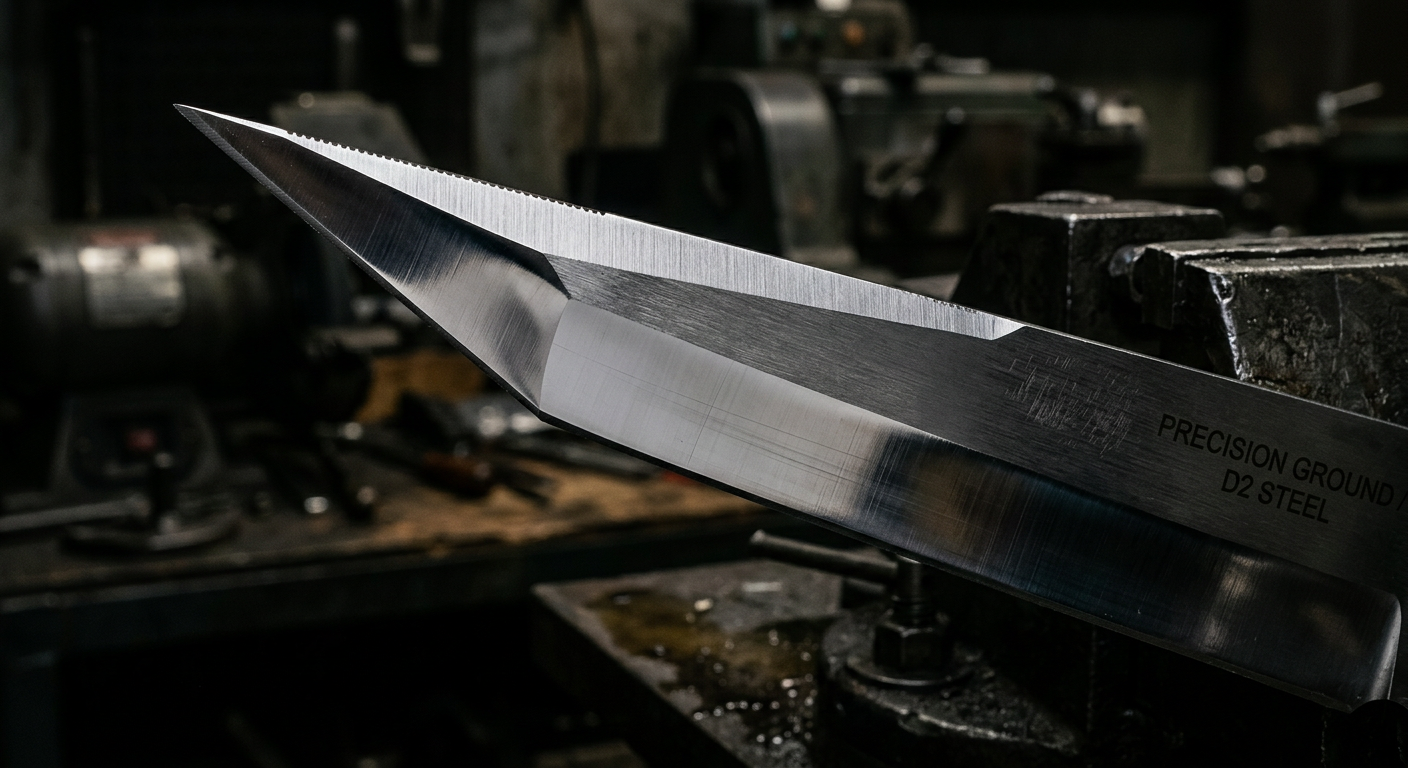
Here is the part procurement teams usually miss: two blades with identical specs on paper can perform very differently on the line. The difference is the grind.
A loosely-ground edge — say ±0.02 mm with visible grinding marks — creates micro-stress concentrations. Under 220 cuts per minute, those become chip initiation sites within days. A precision-ground edge at ±0.005 mm, lapped and polished, distributes load evenly along the cutting line.
Real impact on this line: blade life jumped from 18 days to roughly 65 days. That is not a small efficiency gain. That is the difference between swapping blades twice a week and swapping them once every nine weeks.
The Downtime Math: Where the 40% Came From
The 40% figure is not marketing. It breaks down cleanly:
- Blade changes: from 8 per month to 2 per month → ~3.5 hours saved monthly.
- Changeover time per swap: from 40 min to 15 min (better dimensional consistency meant less re-shimming) → another 3 hours saved.
- Micro-stoppages from film jams: down ~70% because clean cuts stopped feeding ragged edges into the seal jaws → roughly 18 hours saved monthly.
- Quality holds: reject rate from edge defects fell from 1.8% to 0.4%, eliminating two QA-triggered line stops per week.
Stack those together against the baseline of about 90 minutes lost per shift, and the math lands at a 40–42% reduction in unplanned downtime over the quarter.
Application Snapshot: A Coffee Sachet Producer
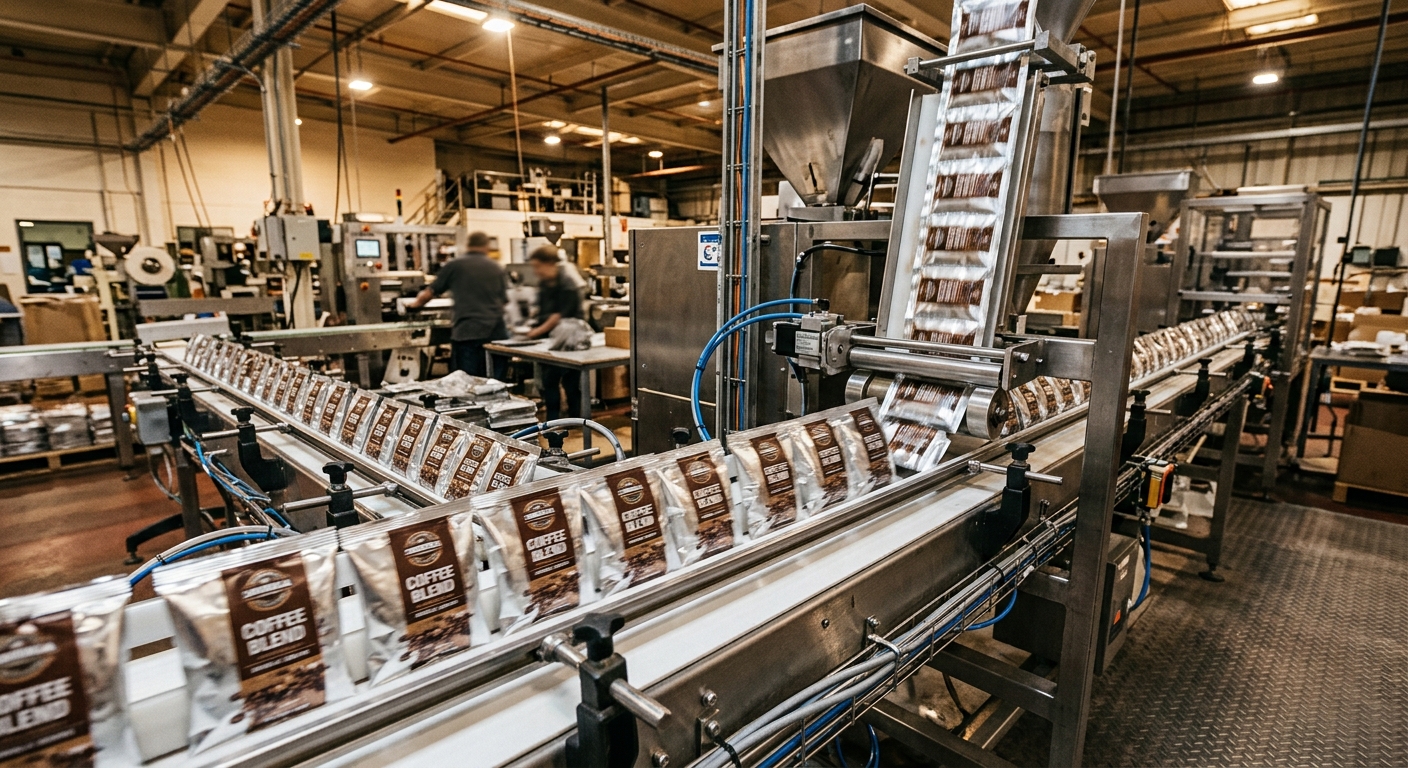
For instance, a coffee sachet producer running a vertical form-fill-seal line had a nearly identical pattern — frequent blade swaps, intermittent seal failures, and a 3% scrap rate on triple-laminate film. Their fix was almost the same recipe: serrated cross-cut knives reground to a tighter pitch, upgraded to a tool steel with better red-hardness because the sealing jaws ran hot.
Within six weeks, their scrap rate dropped to 0.7% and they extended blade life from three weeks to ten. The lesson is the same across formats: packaging blade performance is almost always limited by geometry and grind quality, not by the base machine.
How to Spot the Same Opportunity on Your Line
You probably have a similar opportunity hiding in plain sight. Look for these signals:
- Blade changes happening more than once every three weeks on a single-shift operation.
- Operators reporting more than three film-related micro-stops per shift.
- Reject rates above 1% with visible edge defects (fuzzy cuts, partial seals, stringy film).
- Blade changeovers consistently taking longer than 25 minutes.
- Buying blades on price-per-piece rather than cost-per-thousand-cuts.
If two or more apply, the line is almost certainly leaving downtime on the table. Track one week of blade-related events with timestamps before you do anything else. The data will tell you whether to invest in a trial set of custom-ground knives.
Specifying a Trial Order: What Engineers Actually Need From You
When the packaging plant in our case study placed its first trial order, they handed over five things. Copy this list:
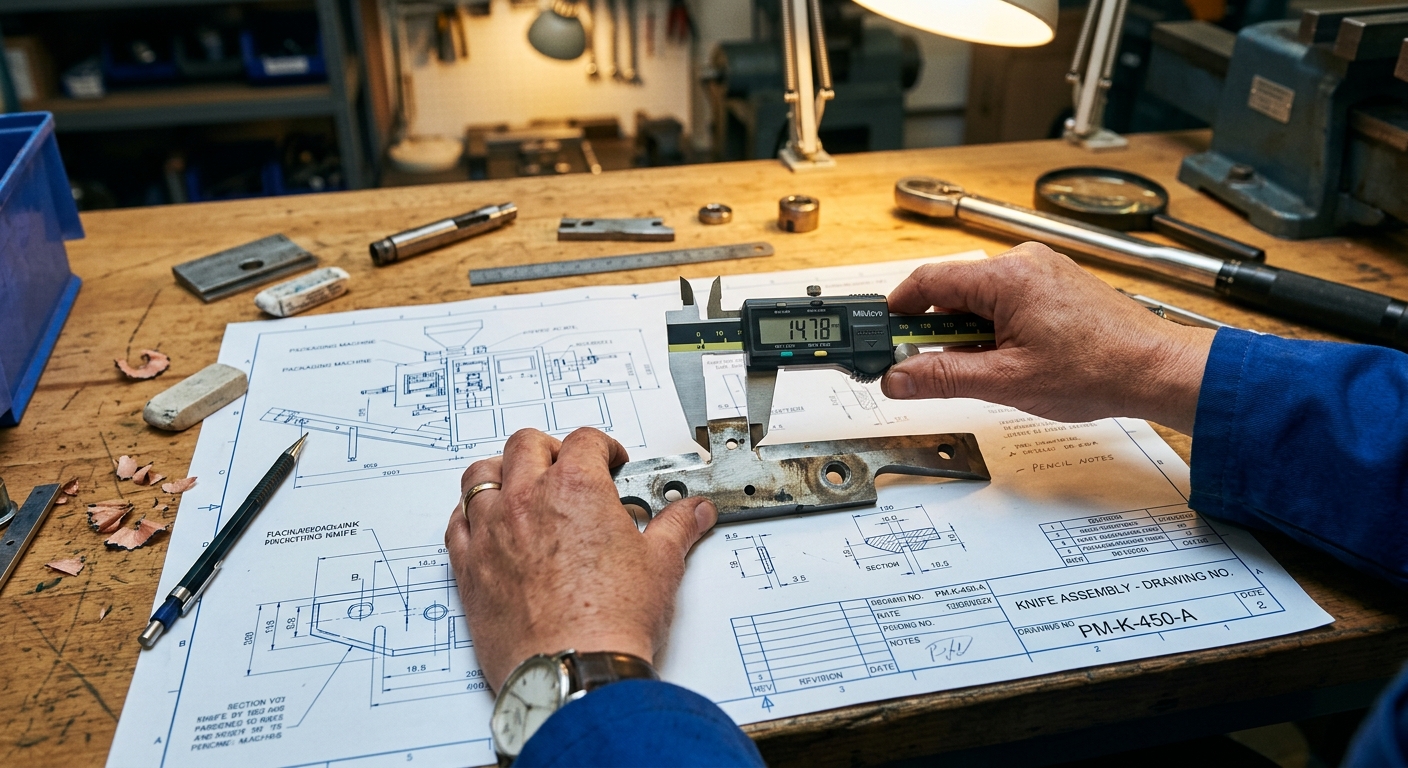
- Machine make, model, and blade mount type (with a photo of the existing knife).
- Substrate details — material, total thickness, layer structure, any coatings.
- Line speed in cuts per minute and shift hours per day.
- Current pain point — chipping, dulling, film build-up, dimensional drift.
- Target service life or acceptable changeover frequency.
With that information, an engineering team can recommend steel grade, hardness range, edge geometry, and finish — and quote a small trial batch rather than committing to volume. For broader maintenance context, our piece on extending industrial blade service life pairs well with this.
Where Precision-Ground Knives Pay Off Beyond Packaging
The same pattern shows up across cutting-intensive industries. Paper and nonwoven slitting lines see similar gains when stock circular blades are replaced with tighter-ground equivalents — particularly on high-speed converting machines where edge runout above 0.01 mm causes dust and lane variation. Plastic recycling shredders benefit differently: there, precision grinding extends time between regrinds rather than between replacements, but the cost-per-ton math still works out.
The principle is universal: when a blade cycles thousands of times an hour, microscopic edge quality compounds into macro-level downtime numbers.
Putting It Into Practice
The takeaway is simple. If your packaging line is losing more than 60 minutes per shift to blade-related issues, a switch to precision-ground machine knives — properly specified for your film, speed, and tooling — is one of the highest-return changes you can make. No capex, no machine modifications, just a better consumable engineered for your actual conditions.
Start with a one-week downtime log, then request a small trial batch sized to your normal blade replacement cycle. If you want a second pair of eyes on the spec, send our engineering team your blade drawing or a photo of the current knife and we will recommend a grind, steel, and geometry tailored to your line. Trial quantities are welcome, and consistency across repeat orders is something we hold ourselves to.


