
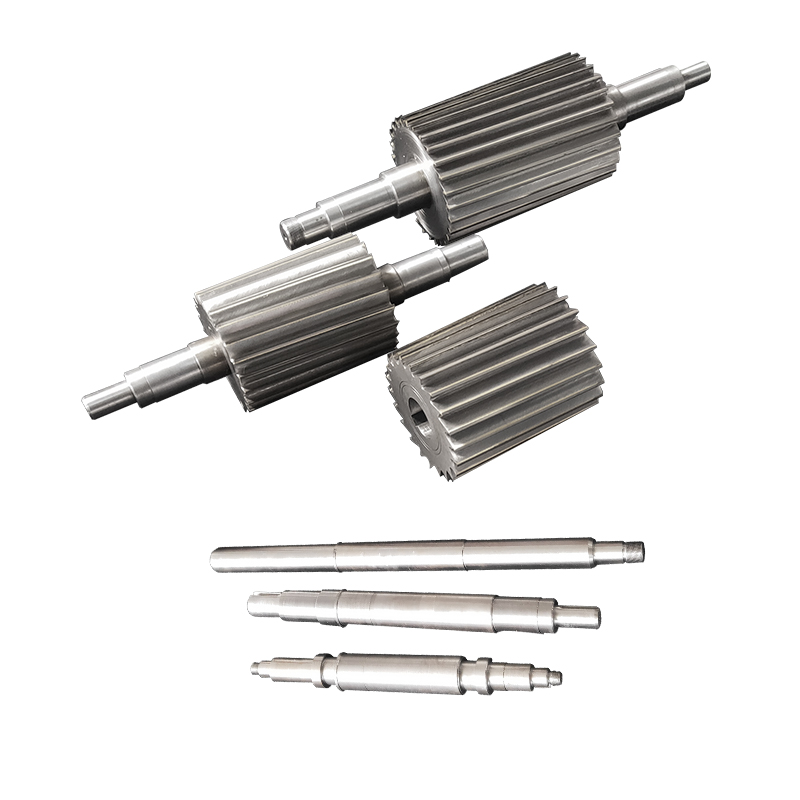
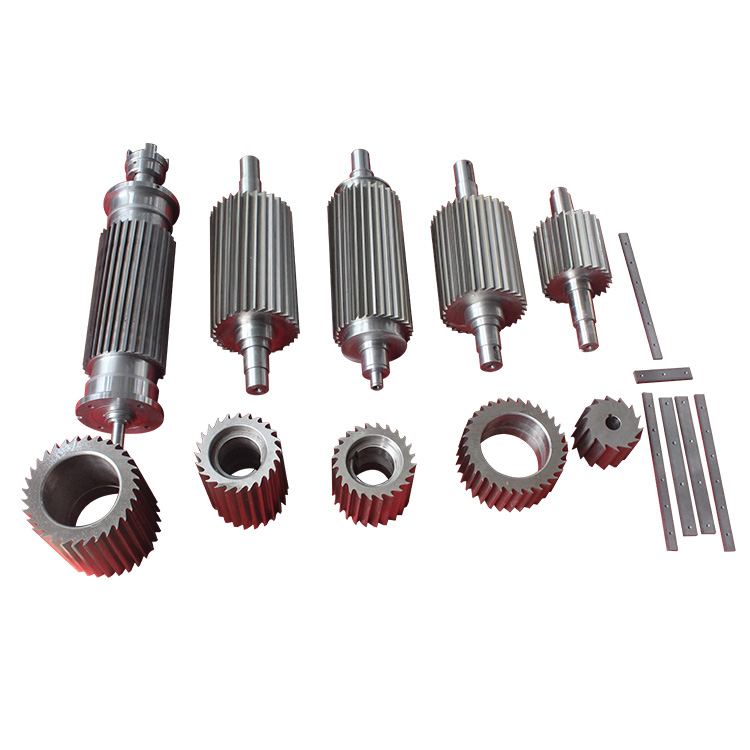
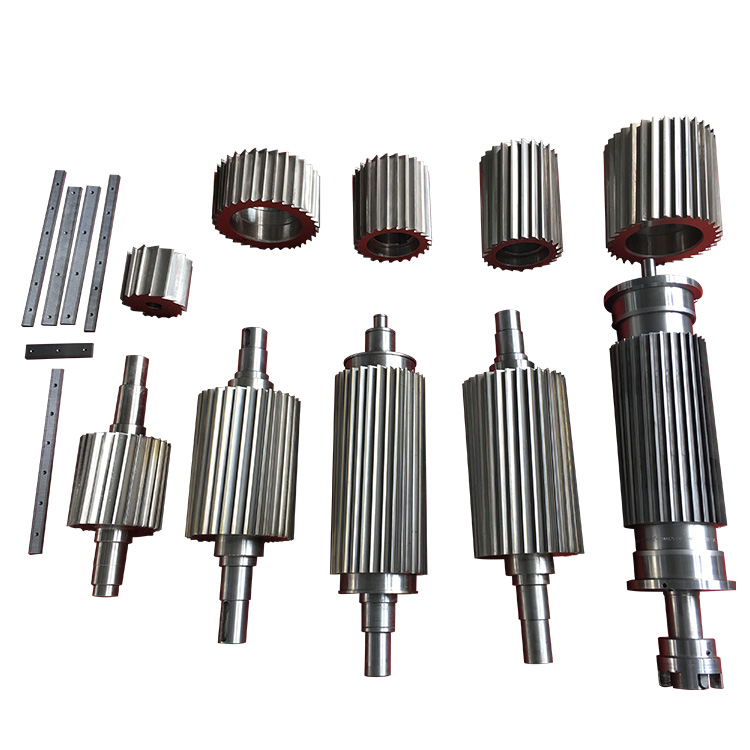
Cutting washed and extruded strands of HDPE, LDPE, PP, or PET regrind into uniform pellets for reprocessing. The blade geometry is specified to match the strand count and diameter exiting the die head.
Customized sizes are available, according to your drawing or sample.
The pelletizer rotary knife is a precision cutting component for strand pelletizing lines in plastics recycling and compounding; for fixed-blade die-face configurations, see our plastic pelletizing knife range. It is designed to produce clean, uniform granulate from extruded polymer strands, directly influencing downstream product quality and process uptime. Key technical differentiators include a selectable substrate of high-alloy tool steel or a tungsten carbide cutting edge, vacuum heat treatment to a controlled hardness range of HRC 58–62, and multi-tooth geometries ground to a tooth-to-tooth uniformity within 0.02 mm. These blades are specified by maintenance and engineering teams for OEM and custom-built pelletizers where edge retention and dimensional stability under continuous high-speed operation are critical.
Blade bodies are machined from high-alloy steels such as D2 (Cr12MoV) or M2 high-speed steel. For extended service life in filled or abrasive polymers, a tungsten carbide cutting edge is brazed onto a steel carrier, combining toughness with wear resistance.
Steel blades are vacuum heat-treated and multi-tempered to a uniform hardness of HRC 58–62. Tungsten carbide edges achieve a hardness of HRA 89–92. This process minimises distortion and ensures consistent wear characteristics across the cutting profile.
Standard configurations range from 14 to 30 teeth per blade, with tooth profiles ground to match specific strand spacing and pellet length requirements. Tooth-to-tooth pitch tolerance is held to ±0.02 mm to ensure even cutting force distribution.
Blades are manufactured to customer-supplied drawings or reverse-engineered from a sample. Typical outer diameters range from 100 mm to 250 mm, with bore and thickness dimensions matched to the specific rotor assembly. No minimum order quantity applies for custom sizes.
Cutting faces and flanks are ground to a surface finish of Ra 0.4–0.8 µm. This low-friction finish reduces polymer melt adhesion and eases cleaning during maintenance intervals.
Each blade is statically balanced to a G6.3 grade or better, suitable for rotor speeds typically encountered in strand pelletizers. This reduces bearing load and vibration, contributing to longer service intervals for the entire cutting assembly.
This machine is designed for cutting composite plastic braces. For flat-format strand pelletizing systems, our pelletizer blades offer the same D2 and M2 HSS material grades with vacuum heat treatment to HRC 58–65.
Production Information:
The cutter blade is crafted from high-quality alloy steel and features tungsten carbide material. It is durable, exceptionally sharp, and ensures consistent, uniform cuts.
| Model | Blade type | Teeth | Output(kg/h) | Cut-barroot number |
| 100 | 100*100 | 14 | 160 | 4-8 |
| 140 | 140*140 | 18 | 200 | 8-12 |
| 160 | 160*160 | 22 | 250 | 12-16 |
| 180 | 180*180 | 26 | 300 | 16-22 |
| 200 | 160*200 | 22 | 300 | 16-24 |
| 210 | 160*200 | 22 | 300 | 16-24 |
| 220 | 200*200 | 30 | 400 | 20-25 |
| 250 | 160*250 | 26 | 450 | 24-30 |
| Dimensions | Typical outer diameter range: 100 mm to 250 mm. Bore diameter, tooth count (14–30 teeth), and blade thickness are manufactured to customer specification. Common sizes include 100x100 mm, 140x140 mm, 160x160 mm, 180x180 mm, 200x200 mm, and 220x200 mm. |
| Materials | D2 (Cr12MoV), M2 high-speed steel, SKD-11, tungsten carbide (brazed edge on alloy steel body) |
| Hardness | Steel body: HRC 58–62. Tungsten carbide edge: HRA 89–92. |
| Tolerances | Tooth pitch: ±0.02 mm. Bore diameter: H7 tolerance class. Outer diameter and thickness: ±0.05 mm unless otherwise specified on the drawing. |
| Surface Finish | Cutting edges and flanks: Ra 0.4–0.8 µm. Non-critical surfaces: Ra 1.6 µm. |
| Customisation | Buyers can specify outer diameter, inner bore, thickness, tooth count, tooth profile, material grade, and coating (if required). Submit a dimensional drawing, OEM part number, or a physical sample for reverse engineering. |
YISHI Machinery supplies industrial blades to manufacturing and recycling facilities that require specification-driven, repeatable quality. Each pelletizer rotary knife is manufactured from certified steel or carbide stock, with in-house vacuum heat treatment and multi-stage tempering to achieve the target HRC range without brittleness. Dimensional inspection is performed on every batch, with reports available on request. Our engineering team works directly from your drawings, and we offer single-piece prototypes for trial before full production runs. With no minimum order quantity on custom sizes and a standard lead time of 15–20 working days, we support both urgent replacements and planned maintenance inventories.
For abrasive materials like glass-filled PP, we recommend a tungsten carbide cutting edge brazed onto an alloy steel body. The carbide edge provides significantly longer service life compared to standard tool steel. For less abrasive, unfilled polymers, a D2 or M2 steel blade hardened to HRC 58–62 is typically sufficient.
Yes. Provide the OEM part number, a dimensional drawing, or a used sample. Our engineering team will reverse-engineer the blade to match the original dimensions, tooth profile, and material specifications. We manufacture to the same or tighter tolerances as the original equipment.
Standard lead time for custom-manufactured pelletizer knives is 15–20 working days from drawing approval. For urgent requirements, expedited production can be arranged. Contact our sales team with your specification and required delivery date for a confirmed schedule.
Our D2 and M2 steel blades are vacuum heat-treated and multi-tempered to a uniform hardness of HRC 58–62. This range provides an optimal balance between edge retention and toughness, reducing the risk of chipping during operation.
YISHI focuses on manufacturing new blades to original specifications. However, we can advise on the correct grinding parameters and wheel specifications for your in-house resharpening process to maintain the original tooth geometry and edge quality.
To provide an accurate quotation, we need the blade's outer diameter, bore diameter, thickness, tooth count, and preferred material grade. A dimensional drawing or sample is ideal. Also specify the quantity required and any surface coating needs.