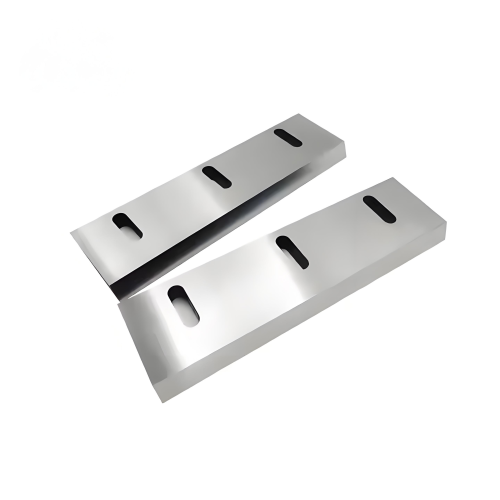



Recycling Blades We Manufacture
Recycling blades built for abrasive, contaminated feedstocks—steel grade, heat treatment, and edge geometry selected to resist chipping, slow wear, and maintain stable cutting in demanding recycling lines.
Turn waste into consistent output—without frequent stoppages, edge chipping, or uneven particle size. YISHI supplies recycling blades and machine knives engineered for harsh, contaminated feedstock across plastic, rubber, paper, cable, and mixed waste processing.
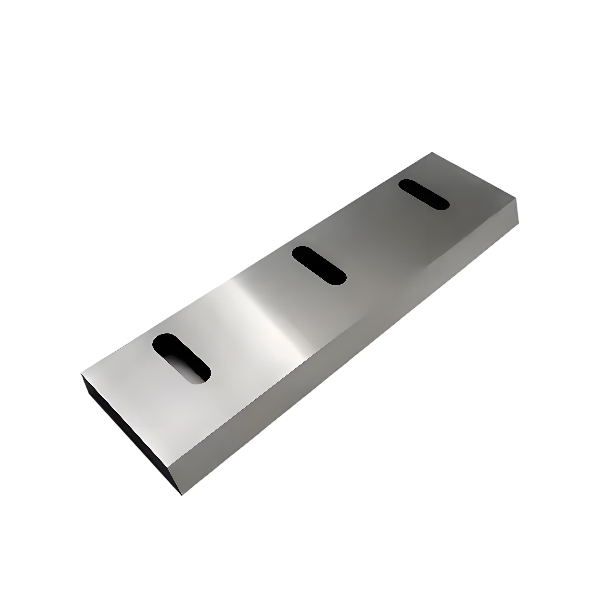
Recycling blades built for abrasive, contaminated feedstocks—steel grade, heat treatment, and edge geometry selected to resist chipping, slow wear, and maintain stable cutting in demanding recycling lines.
Recycling applications punish edges: tramp metal, sand, glass fiber, adhesives, and inconsistent feed. A reliable cutting set should deliver:


Primary size reduction knives for bulky or mixed scrap (plastics, tires, RDF), available in crown/hook/block styles with optional counter knives, wear plates, and wear-resistant upgrades for abrasive feedstock.

Secondary regrind knives (PET/HDPE/PP, injection scrap, film trim) designed for a stable cutting gap between rotor and bed knives to keep particle size consistent and reduce fines.
Final-stage cutting knives for extrusion reclaim and pellet production, including die-face and strand pelletizing types, with options for high-temperature wear control.
Optional shear-knife solutions for metal recycling equipment (e.g., alligator/guillotine shears) where high cutting forces and impact loads are typical.
Tell us your current failure mode—we propose steel + heat treatment + edge geometry to match.
Common causes: tramp metal impact, incorrect hardness balance, overly sharp edge.
What we do: toughness-oriented material option, controlled heat treatment, edge preparation to reduce micro-chipping.
Common causes: sand, glass fiber, abrasive fillers, contaminated feed.
What we do: wear-focused material option, optimized bevel angle, surface finish strategy for abrasion conditions.
Common causes: heat-sensitive polymers, sticky feed, wrong geometry.
What we do: geometry tuning for heat control, surface finish optimization (coating/treatment only if applicable).
Materials we commonly process: plastics (rigid/film), rubber, paper/cardboard, cable scrap, mixed waste (conditions vary).
Recycling lines rely on repeatable fit and predictable maintenance windows. We support consistent performance with:

Do you have any questions about our products and how to use them? We have compiled the most frequently asked questions and answered them. If your question is not listed here, please contact us.
Yes. Send a sample or drawings. We match dimensions, hole patterns, and edge geometry, then confirm tolerances before production.
Machine model + knife drawing (or clear photos with measurements) + processed material + your current issue (wear vs chipping).
It depends on contamination and impact load. Share your failure mode and feedstock condition—we'll recommend the most suitable material and heat-treatment balance.
We can provide recommended regrind angles and inspection intervals based on knife type and operating conditions.